
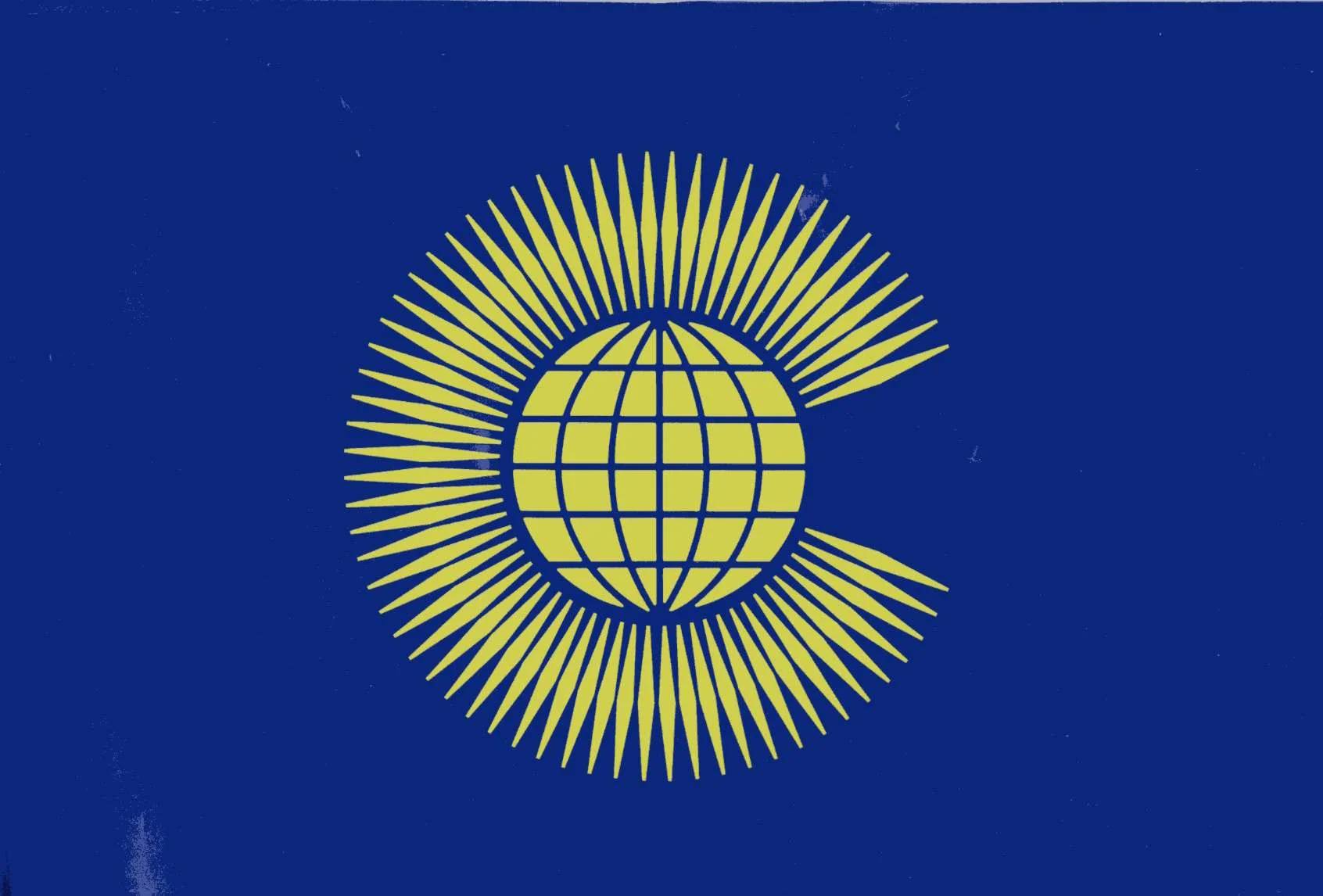
The majority of members of the modern Commonwealth of Nations have their own heads of state - either independent monarchies or republics
The Commonwealth has confirmed an independent head of state doesn’t change Commonwealth membership
As a republic, New Zealand would continue to be an active member of the Commonwealth, attend Commonwealth Games etc, and recognise the British monarch as the titular “Head of the Commonwealth”
Key facts about the Commonwealth
A New Zealand republic, with its own independent Head of State, will remain a member of the Commonwealth. This has been confirmed by the Commonwealth itself (see below for details)
Commonwealth membership does not require New Zealand have the British monarch as our Head of State.
The majority of members of the Commonwealth now have their own heads of state.
The Commonwealth has 53 member states
32 are Commonwealth republics;
5 are monarchies, with their own monarch as Head of State;
16 are Commonwealth realms with the British monarch as their Head of State.
The criteria for Commonwealth membership requires
acceptance of the Commonwealth’s fundamental values, principles, and priorities;
a commitment to democracy, rule of law, judicial independence, good governance, and protection of human rights;
acceptance of Commonwealth conventions for inter-Commonwealth relations;
a historic constitutional Commonwealth association;
acknowledgement of the Queen Elizabeth II as the ‘Head of the Commonwealth’ (a symbolic and non-hereditary position).
New Zealand Republic’s policy is that New Zealand will remain a member of the Commonwealth, which the Commonwealth itself confirms. New Zealand would continue to recognise the Queen (and the next British monarch) as the Head of the Commonwealth, a symbolic position.
New Zealand's Commonwealth Status
Having our own head of state will not affect New Zealand’s Commonwealth membership because Member states have agreed that membership will continue when a state changes its constitutional arrangements.
Having our own head of state does not change New Zealand’s status in the Commonwealth, it does not mean we lose any preference or access that we otherwise would have.
“[W]here an existing member changes its formal constitutional status, it should not have to reapply for Commonwealth membership provided that it continues to meet all the criteria for membership.” (Commonwealth Final Communiqué - CHOGM 2007)
18 former Commonwealth realms have become republics and are full members of the Commonwealth (including India and South Africa).
You can find out more by reading and downloading our Commonwealth Fact Sheet, or visit the Ministry of Foreign Affairs and Trade page on New Zealand’s Commonwealth membership